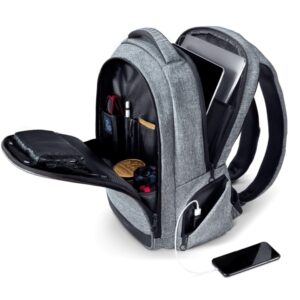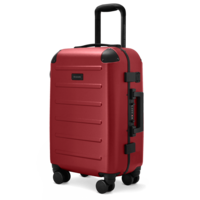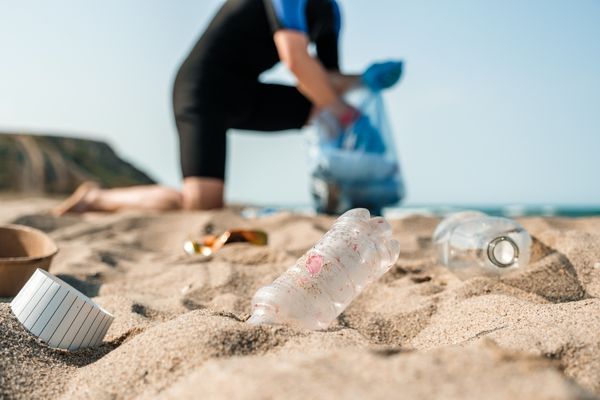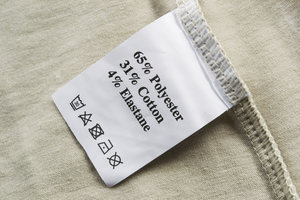
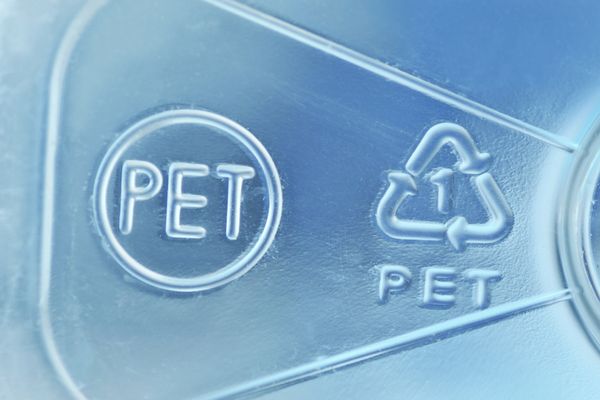
Polyethylene terephthalate or PET (also abbreviated to PETE sometimes) is the most commonly produced plastic. You might recognize it as plastic number #1 in the plastic resin code, a number 1 in the chasing arrows. PET is a polyester thermoplastic. It was invented in 1940 by chemists at the DuPont company and is made by polymerization of ethylene glycol and terephthalic acid.
Learn more in What is Plastic.
Quick Navigation
What is PET?
Polyethylene terephthalate has many properties that make it an extremely useful material. It is ubiquitous in our day-to-day lives. You will likely have already been in contact with PET plastic many times during your day.
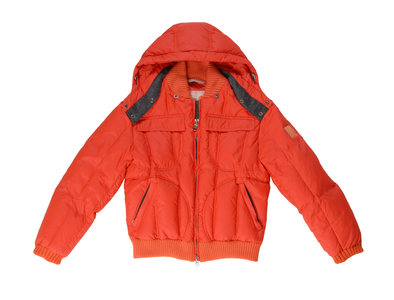
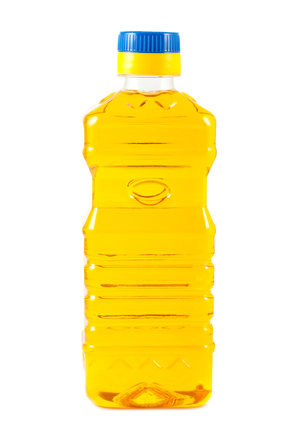
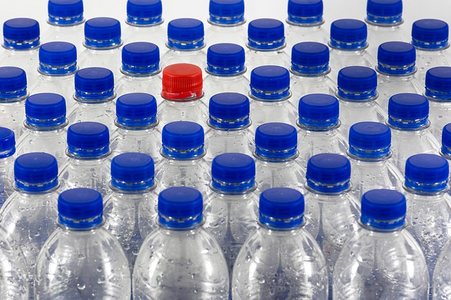
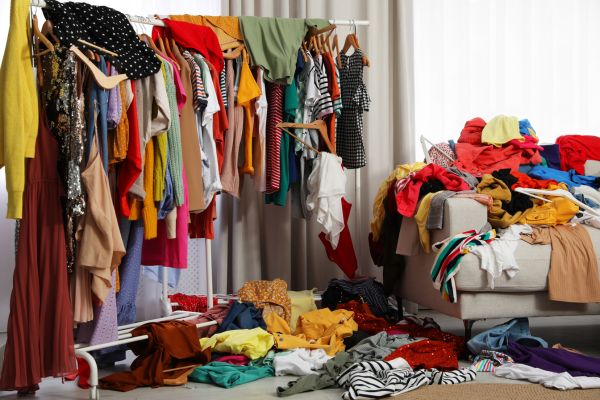
The first picture that comes to mind when you mention PET is a plastic water bottle; however, interestingly, most PET in the world is found in clothing. The fabric referred to as polyester is the same stuff that goes into plastic bottles.
The difference between the two items is the way the polyethylene terephthalate is prepared. To make bottles or other rigid containers, the plastic is heated and then injected into bottle-shaped molds. In contrast, polyester fibers are made by melting plastic and forcing it through tiny holes to produce the fibers.
Why do we use it?
Polyethylene terephthalate or PET is common for good reason. It is a highly versatile material, and it’s lightweight, safe, and easy to recycle. The properties that manufacturers love about PET are:
- Buffington, Jack. (2018), Peak Plastic: The Rise or Fall of Our Synthetic World, ABC-CLIO
- Freinkel, Susan. (2011), Plastic, A Toxic Love Story, Melbourne Australia, The Text Publishing Company
- Sustainability
- Sustainability & Recyclability, PET Resin Association
- 2016, Everything you Need to Know About The World’s Most Useful Plastic (PET and Polyester), Creative Mechanisms
- Polyester, How Products Are Made
- Suez, 2009, PET ‘bottle to bottle’ recycling unit, sustainabilitymatters.net.au
- William Harris, How long does it take for plastics to biodegrade?, howstuffworks.com
- 2019, At Limay in France, SUEZ manufactures plastic food packaging from recycled PET plastics, Suez
- Textiles
- Fleece jackets
- Carpets
- Stuffing
- Storage containers
- Boat sails
- Shoes
- Auto parts